

Written by a blinc team member who accompanied the group from ifas and my.worX to Pisa, this report shares personal insights and highlights from a week of learning, discovery, and connection.
Together with German and Italian partners, we organised the second Europe discovery trip, this time to Pisa. 10 participants from a youth welfare programme at ifas GmbH Göttingen with 3 youth workers, as well as 10 participants from my.worX (Centre for vocational rehabilitation supporting people with mental health challenges) with two accompanying persons, travelled to Pisa in October 2025.
This mobility was about getting the participants with psychological disabilities out of their comfortable living conditions at home and giving them the possibility to gain new experiences in the unknown circumstances of a new city and country. Learning objectives were to gain higher autonomy, better self-confidence and communication skills, as well as intercultural understanding and learning.
Here are a few of our favourite success stories from the trip:
On Monday evening in Pisa at dinner, the European discovery trip officially started for the participants, but they had already successfully managed their biggest adventure of the week. After the train to the airport was delayed for over two hours, it was all about somehow reaching their flight. They arrived at the check-in only two minutes before closing, and as some raced forward to keep the boarding gate open, others were still in line for the security check. Because everybody was helping each other at the airport and the accompanying people did a great job, everybody was on the plane and on their way to Pisa just in time. From that point on, the week could only become a full success.

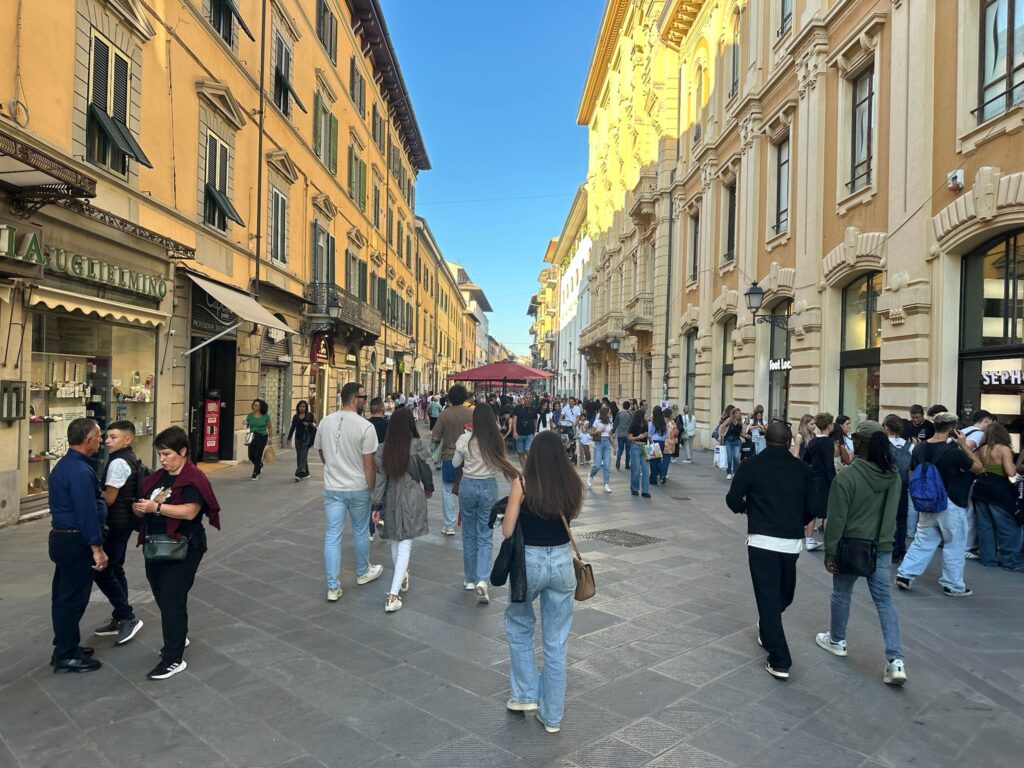
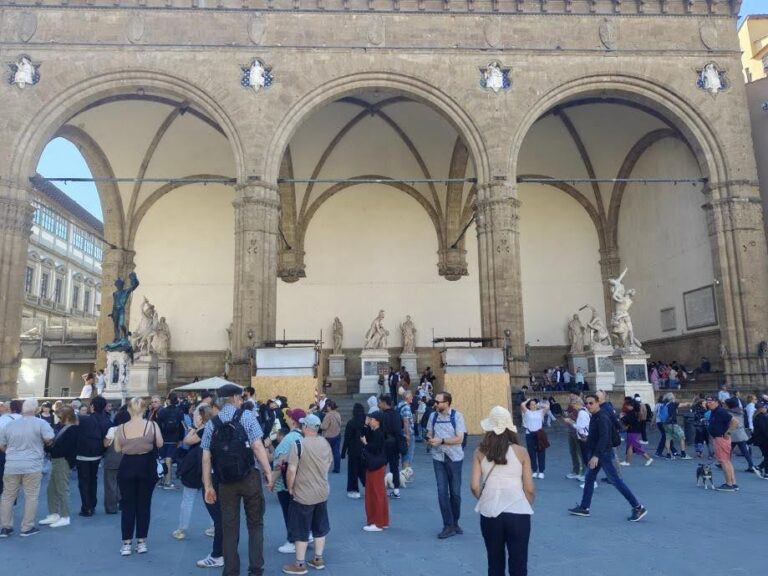
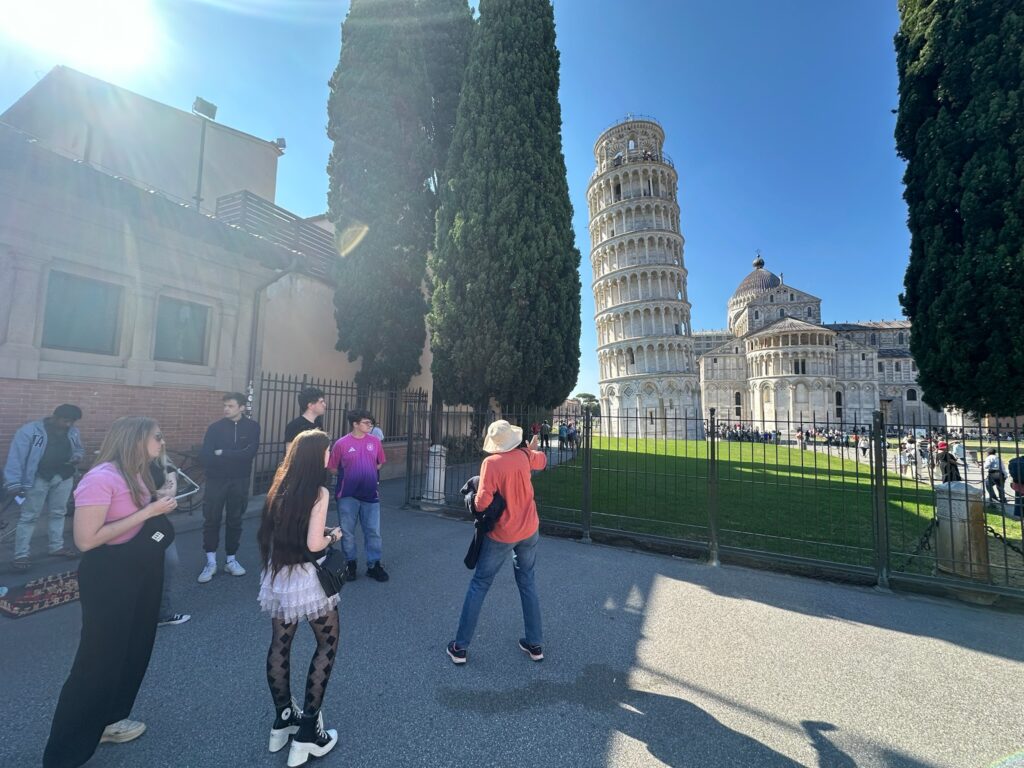
On Tuesday it was already shown that the participants being in new circumstances led them to have different thoughts and questions. In a guided tour through Pisa, one of the participants showed a deep interest in architecture and building history. Repeatedly, Nela and the guide talked about the historic buildings and their structure. Later, as the interest of some participants faded, they found their own topics in talking about their diagnoses and personal life stories. One of the participants, a refugee still learning the German language, asked: “What is the difference between a narcissist and a Nazi?” Good question!
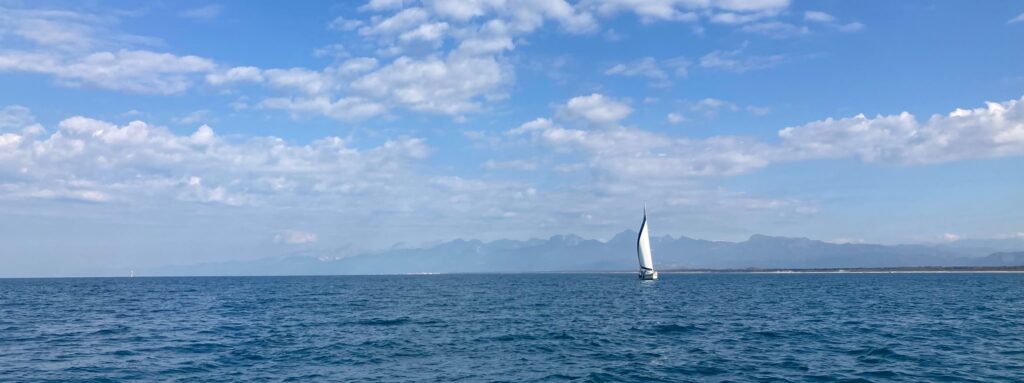
On Wednesday the participants went on sailing boats. In groups of four, they got accompanied by a sailor. The quiet of the sea transferred to the participants. Some were sleeping and relaxing, while others talked about their life story. Everybody who wanted to, was allowed to get behind the wheel to steer the boat. One usually quiet person flourished most in this situation. After shyly asking if he could also steer the boat, he even wanted to be videotaped while steering, because he wanted to sing a song. The quiet soul started to sing the first verse loud and proud.

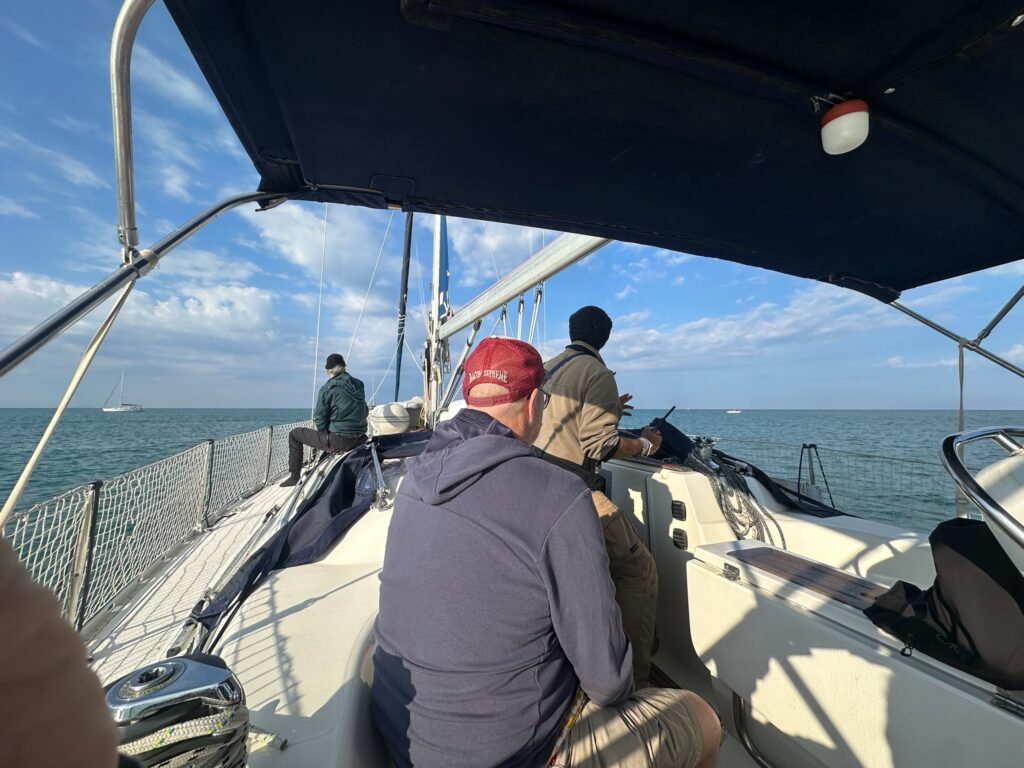

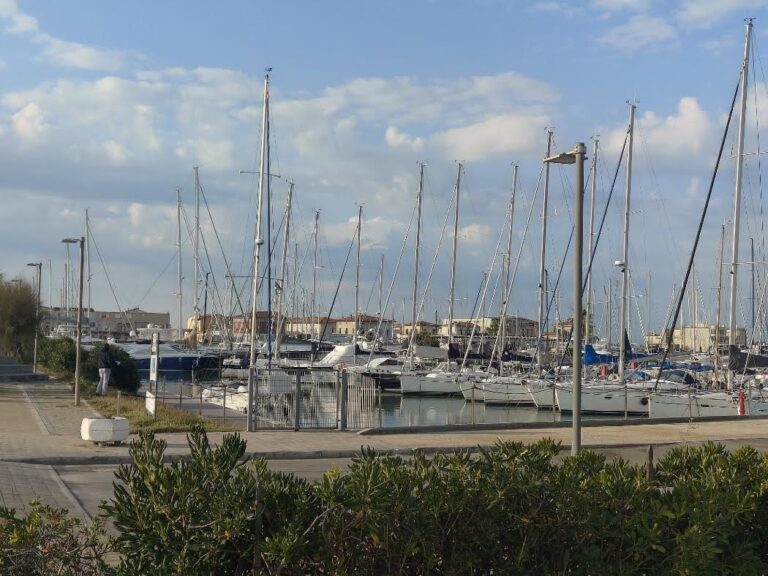
On another boat a newly found friendship developed further. Milad and Lorenz, a refugee and an autistic person, only got to know each other on this trip. Already after the guided tour on Tuesday, they wanted to go to a shisha bar, just the two of them. As they would not find one, they found each other. Milad had never swum in the sea before, so these two decided to go swimming together for the first time on Wednesday after the sailing trip. From now on, they could not be separated. During our day trip to Florence on Thursday, they immediately asked if they could separate from the group and spend the day on their own. The only thing that did not work out on their own day was the timing. There was a 30-minute delay to the joint group dinner, but the accompanying persons were able to look past it, as they were happy Milad and Lorenz found each other. They were hoping that the two would support each other further once they got back to Göttingen and the new friendship would only deepen.
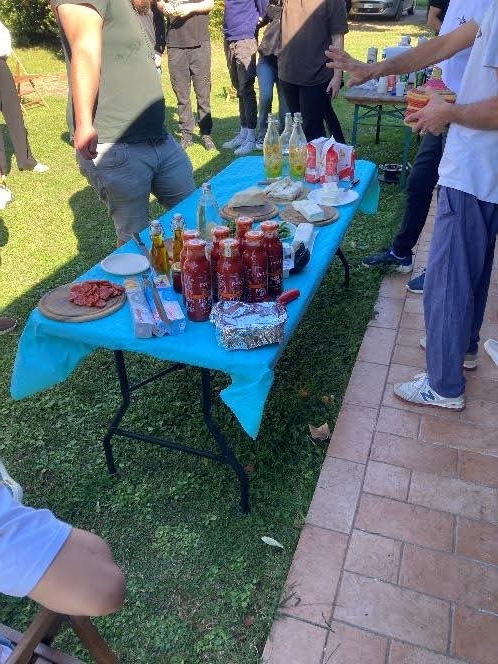
After a tiring Thursday in Florence, a warm day in an extremely crowded city, the week ended in the oasis of our partner institution, Mangwana, offering a complete contrast to the hectic sightseeing day before. The participants spend time in the garden relaxing and taking part in a pizza workshop. The participants Annika and Melanie were both very interested, as they like to make their own pizzas at home. As every person worked on their own dough, they compared each other’s working methods to their own. The secret was patience, as the dough needed to rest for some time after every step. It took some hours until the pizzas were baked and ready to eat, but it was well worth the wait, as the participants agreed that they were some of the best, if not the best, pizzas they had ever had. On top, Melanie and Annika fixed a date where they would try to bake their own pizza after the workshop’s recipe. It is the second good friendship that has developed within the week.
The week was a full success, as participants as well as the social workers were happy with the whole week, and they all decided they would do a similar trip again. From the outside, an interesting dynamic developed within the week as everybody seemed to get more and more confident as the week went on. The feedback of the group also showed that they now feel as if they are able to do the trip’s activities on their own, without an accompanying person.
The combination of happy participants and learning aims being met encourages us to develop further mobilities in similar ways with disadvantaged people to enable new learning experiences.